
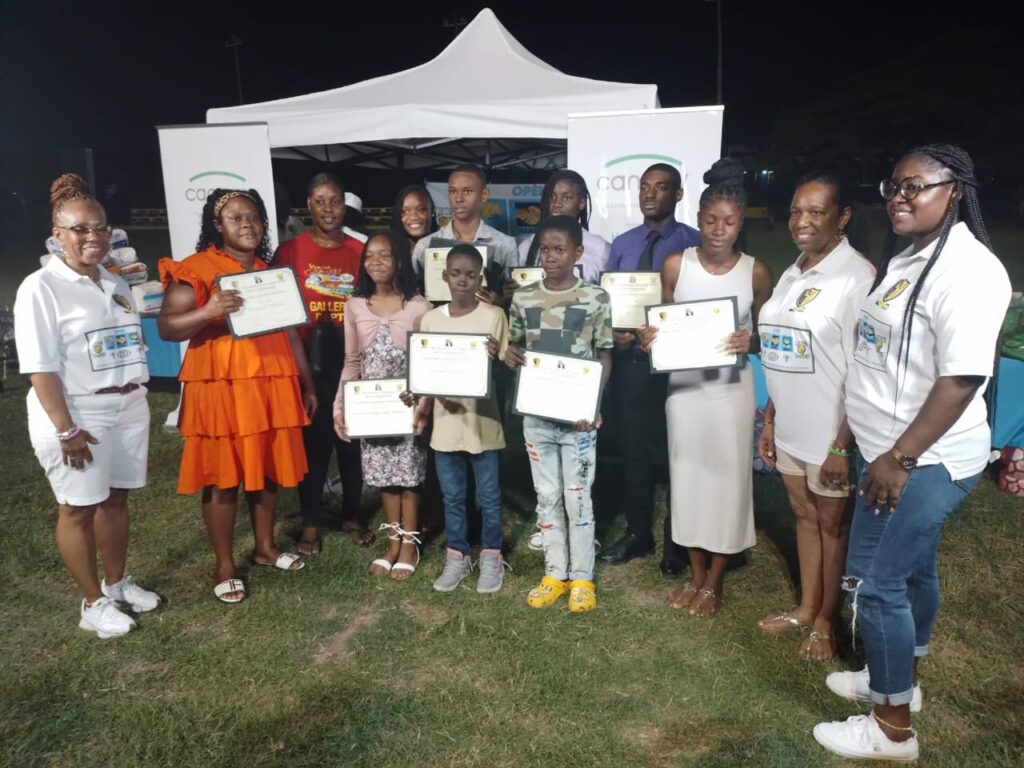
How Youth Sports Build Confidence, Discipline, and Stronger Futures
Youth sports can have a powerful influence on a child’s development. A soccer field, basketball court, or community playing area can become much more than a place for competition. It can become a classroom where young people learn discipline, teamwork, responsibility, resilience, and respect.
For many children and teenagers, sports offer structure, friendship, positive role models, and a sense of belonging. They provide an opportunity to stay physically active while developing skills that can support success at school, at home, and later in life.
The greatest value of youth sports is not always measured by trophies, scores, or individual talent. It is often seen in the confidence a child develops, the friendships they build, the lessons they learn after disappointment, and the responsibility they accept as part of a team.
At Lions United Sports Club, we believe sports can create meaningful opportunities for young people. Through youth soccer, football activities, sporting-equipment donations, mentorship, community events, and partnerships, we aim to help children develop their abilities while becoming confident, responsible, and community-minded individuals.
Sports Give Young People a Sense of Belonging
Every child needs to feel that they are valued and that they belong somewhere.
Youth sports create an environment where young people can become part of a team with shared goals. They wear the same uniform, attend the same practices, encourage one another, and work together during both success and difficulty.
This sense of belonging can be especially important for young people who feel isolated, lack confidence, or are struggling to connect with others.
On a team, every participant has a role. Some players may score goals, while others defend, support, communicate, or motivate their teammates. Children begin to understand that they do not have to be the best player to be an important part of the group.
This lesson can influence how they see themselves beyond sports.
A young person who feels accepted by a team may become more comfortable speaking up in class, meeting new people, or participating in other community activities. Belonging helps build emotional security, which can support confidence and healthy development.
Participation Builds Confidence
Confidence does not always appear naturally. It often develops through practice, encouragement, and small achievements.
Youth sports give children regular opportunities to improve.
A young player may begin by learning how to pass a ball, follow instructions, or complete a basic drill. Over time, that player may develop stronger skills, make better decisions, or contribute during a game.
Each improvement becomes evidence that effort can lead to progress.
This matters because children often compare themselves with others. A supportive sports environment helps them focus on personal growth rather than perfection.
Coaches and volunteers can strengthen confidence by recognizing effort, consistency, cooperation, and improvement. Praise should not be limited to the most talented players. A child who arrives on time, listens carefully, encourages a teammate, or keeps trying after a mistake is also demonstrating meaningful growth.
When young people learn to believe in their ability to improve, they may carry that confidence into other areas of life.
Discipline Develops Through Routine
Sports require commitment.
Players are expected to attend practices, follow rules, listen to coaches, care for equipment, and contribute to the team. These responsibilities teach discipline in a practical and understandable way.
A young athlete quickly learns that improvement requires repetition. Skills do not develop after one practice. Progress comes from showing up consistently, paying attention, and continuing to work even when training feels difficult.
This process teaches patience.
In a world where young people often expect quick results, sports show that meaningful improvement takes time. A player may practice the same movement repeatedly before becoming comfortable with it. A team may lose several games before learning how to communicate effectively.
These experiences help children understand that success is usually built through steady effort.
The discipline learned in sports can influence schoolwork, household responsibilities, and future employment. A child who learns to manage practice schedules and team expectations may become better prepared to manage assignments, deadlines, and personal goals.
Teamwork Teaches Cooperation
Team sports teach young people that individual ability alone is not enough.
A successful team depends on communication, trust, cooperation, and shared responsibility. Players must learn when to take action and when to support someone else.
In soccer, for example, one player may create an opportunity while another finishes the play. Defenders and goalkeepers contribute even when they are not involved in scoring. Every position supports the larger goal.
Children learn that teamwork requires listening.
They must understand instructions, communicate with teammates, and respond to changing situations. They also learn that people have different strengths, personalities, and ways of approaching challenges.
These experiences help develop social skills.
Young athletes learn how to work with people they may not have chosen as friends. They practice resolving disagreements, accepting feedback, and focusing on a common purpose.
These skills remain valuable throughout life. Schools, workplaces, families, and communities all depend on people who can cooperate effectively.
Sports Teach Young People How to Handle Setbacks
Losing is part of sports.
Even talented teams experience difficult games, mistakes, injuries, and disappointment. Although these moments can be uncomfortable, they provide important opportunities for growth.
Young people learn that a setback does not mean everything is over.
A missed goal, poor performance, or lost game can become a lesson. Coaches can help players reflect on what happened, identify areas for improvement, and prepare for the next opportunity.
This develops resilience.
Resilience is the ability to recover from difficulty and continue moving forward. It is an essential life skill because every person will eventually face disappointment, rejection, or unexpected challenges.
Sports offer a safe environment where children can practice managing these emotions.
They learn how to remain respectful after losing, how to congratulate an opponent, and how to return to practice with a positive attitude.
These lessons can help young people respond more constructively to poor grades, conflicts, and other difficulties.
Coaches and Volunteers Become Positive Role Models
A coach can have a lasting influence on a young person.
Children often remember the adults who encouraged them, believed in their potential, and held them accountable. A supportive coach can help a child develop skills while also teaching values such as honesty, respect, responsibility, and perseverance.
The most effective coaches understand that youth development is more important than winning.
They create an environment where young people feel safe to learn and make mistakes. They communicate clearly, treat players fairly, and demonstrate the behavior they expect from others.
Volunteers also play an important role.
They may organize equipment, provide transportation, assist during events, help supervise activities, or support players and families. Their presence shows young people that adults in the community care about their development.
Positive role models can be especially valuable for children who have limited access to structured mentorship.
A responsible coach or volunteer can become someone a child trusts and respects. That relationship may encourage the young person to make healthier choices and pursue larger goals.
Physical Activity Supports Health and Well-Being
Youth sports encourage children to move regularly.
Physical activity supports general fitness, coordination, balance, strength, and endurance. It can also help young people develop healthy routines that continue into adulthood.
Modern life often involves long periods of sitting, especially with increased use of phones, computers, gaming systems, and television. Organized sports give children a reason to spend time outdoors and stay active.
Physical activity can also support emotional well-being.
Exercise may help young people manage stress, improve mood, and release energy in a positive way. Team activities can provide an enjoyable break from academic or personal pressure.
However, youth sports should be managed responsibly.
Young athletes need appropriate rest, hydration, safe equipment, suitable training, and adult supervision. Children should not be pushed beyond their abilities or made to feel that their value depends on performance.
The goal should be to create a safe and positive experience that supports healthy development.
Access to Equipment Creates Opportunity
Many children want to participate in sports but do not have access to the necessary equipment.
Footwear, uniforms, balls, protective gear, registration fees, and transportation can become significant barriers for families. A child may have interest and ability but still be unable to join a program.
Sporting-equipment donations can help remove some of these obstacles.
A pair of suitable shoes, a soccer ball, or a uniform may give a young person the opportunity to participate with confidence. These items can also help programs serve more children.
Donations should be handled thoughtfully.
Equipment should be clean, safe, appropriate, and in usable condition. Protective items may need careful inspection, and certain equipment should not be distributed if it cannot meet safety requirements.
When donors, businesses, teams, and nonprofit organizations work together, they can make youth sports more accessible.
The impact goes beyond the donated item. The equipment becomes a pathway to participation, friendship, exercise, mentorship, and personal growth.
Sports Can Encourage Academic Responsibility
Sports and education should support one another.
Youth programs can encourage participants to take school seriously by setting expectations for behavior, attendance, and academic effort.
Coaches can remind young people that discipline applies both on and off the field. They can encourage players to complete assignments, respect teachers, and manage their time responsibly.
Some programs may connect sports participation with academic support, scholarships, school supply distributions, or mentorship.
This combined approach helps young people understand that athletic development is only one part of their future.
Not every child will become a professional athlete. However, every participant can benefit from the habits, relationships, and confidence developed through sports.
When education remains central, sports can become a tool that helps young people stay motivated and connected to positive goals.
Youth Sports Strengthen Community Relationships
Sports bring people together.
Parents, coaches, volunteers, local businesses, schools, and community organizations can all become involved in supporting a team or event.
A youth tournament or community match creates opportunities for people to connect, celebrate, and work toward a shared purpose.
These gatherings help build community pride.
Families meet one another, residents support local children, and volunteers see the results of their service. Businesses and sponsors can contribute resources while building meaningful relationships with the community.
Sports can also create connections across different backgrounds.
Young people learn to play with teammates from different neighborhoods, schools, cultures, and family situations. Shared goals can reduce barriers and encourage understanding.
When organized responsibly, sports become a community-building activity rather than simply a competition.
Leadership Begins With Small Responsibilities
Youth sports provide many opportunities for children to practice leadership.
Leadership does not always mean becoming a team captain. It may begin with encouraging a teammate, helping organize equipment, arriving prepared, or setting a good example during practice.
Young people can learn that leadership is based on behavior.
A strong leader listens, respects others, accepts responsibility, and remains calm under pressure. Sports give children repeated opportunities to demonstrate these qualities.
Older participants may also mentor younger players.
This helps them understand that their actions influence others. A teenager who supports a younger athlete may begin to see themselves as a responsible role model.
These experiences prepare young people for leadership in school, work, family, and community life.
Creating a Positive Sports Environment
Youth sports are most beneficial when the environment is safe, inclusive, and focused on development.
Adults involved in the program should make it clear that disrespect, bullying, discrimination, and abusive behavior are not acceptable.
Young people should be treated fairly regardless of their ability level.
Programs should also have clear expectations related to:
- Safety
- Supervision
- Appropriate conduct
- Parent or guardian consent
- Emergency information
- Transportation
- Equipment use
- Photography
- Communication
- Respectful behavior
Parents and guardians should understand the purpose and requirements of the program. Coaches and volunteers should receive guidance appropriate to their roles.
A positive environment allows children to focus on learning and participation without unnecessary fear or pressure.
How the Community Can Support Youth Sports
Community members can support youth sports in many ways.
They can volunteer, coach, donate equipment, provide transportation, sponsor programs, support fundraising events, or help identify safe playing spaces.
Businesses can contribute uniforms, supplies, refreshments, event support, or financial sponsorship.
Schools and sports organizations can share facilities and expertise. Healthcare professionals may provide guidance on safety, hydration, and injury prevention.
Donors can help cover participation costs for families who might otherwise be excluded.
Even attending games and encouraging young participants can make a difference.
Children notice when the community supports them. That support communicates that their development and future matter.
Building Stronger Futures Through Sports
Youth sports can shape more than athletic ability.
They can help children become confident, disciplined, cooperative, resilient, and responsible. They can provide structure, positive relationships, and opportunities to develop leadership.
For some young people, joining a team may be the beginning of a healthier and more hopeful direction.
At Lions United Sports Club, we are committed to using sports as part of a broader mission that includes education, health, and community outreach. We believe young people should have opportunities to learn, participate, and grow in safe and supportive environments.
Through youth soccer, football activities, equipment donations, mentorship, volunteers, and community partnerships, we aim to help young people recognize their strengths and build skills that will serve them throughout life.
A ball, a pair of shoes, a caring coach, or a place on a team may seem simple. For a child, it can represent confidence, belonging, possibility, and a stronger future.