How Education, Health, and Sports Build Stronger Communities
Strong communities are not created by one program, one organization, or one moment of generosity. They grow when people work together to improve access to education, support healthier lives, encourage young people, and create opportunities for individuals and families to move forward.
Education, health, and sports may appear to serve different purposes, but they are deeply connected. Education helps people develop knowledge and confidence. Health initiatives make it easier for individuals to care for themselves and their families. Sports promote discipline, teamwork, physical activity, and belonging.
When these areas are supported together, they can create lasting change.
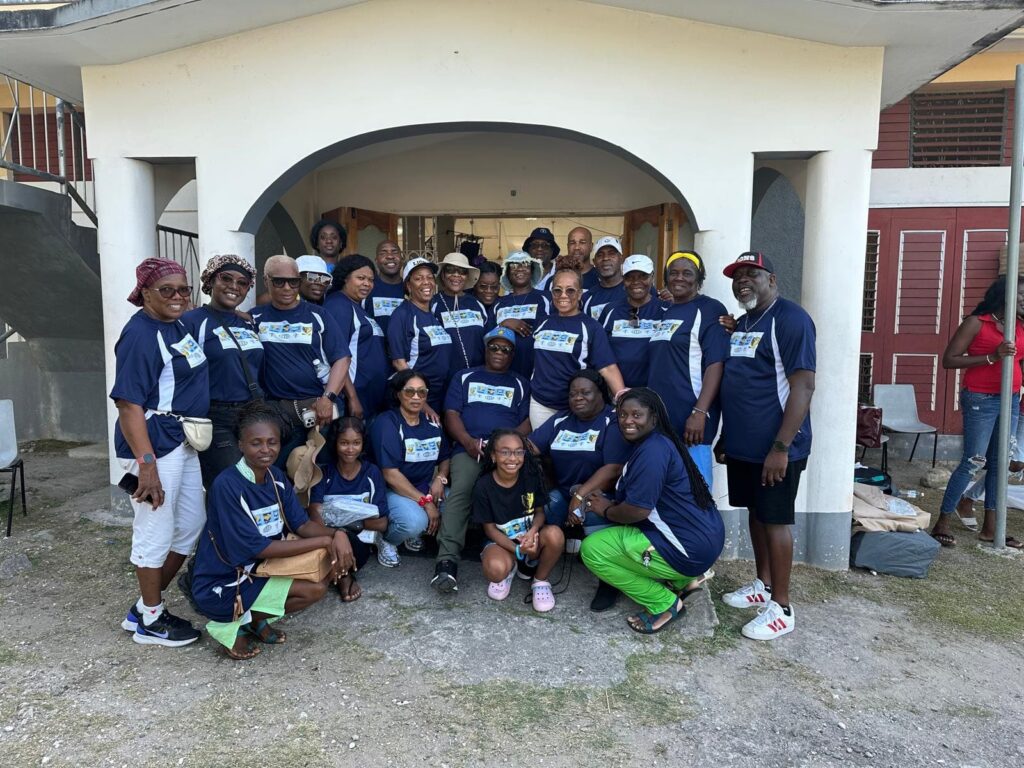
At Lions United Sports Club, our work is centered on helping communities access practical resources, meaningful opportunities, and compassionate support. Through scholarships, school supplies, health fairs, medical equipment donations, youth sports, community events, and partnerships, we aim to help people build stronger and more stable futures.
Education Creates Opportunity
Education can shape the direction of a person’s life. It provides knowledge, develops problem-solving skills, builds confidence, and opens doors to future employment and leadership opportunities.
However, many students face barriers that make it difficult to succeed. Some families struggle to afford school supplies, technology, transportation, uniforms, or other educational expenses. Others may have talented and motivated students but lack access to scholarships, guidance, or supportive networks.
Community organizations can help close these gaps.
Scholarships provide more than financial assistance. They show students that their efforts matter and that others believe in their potential. A scholarship can help cover educational costs, reduce pressure on families, and encourage a student to continue pursuing academic goals.
School supply distributions also make a meaningful difference. A backpack, notebook, writing materials, or basic learning equipment may seem simple, but these resources help students arrive prepared and confident.
When students have the tools they need, they can focus more fully on learning.
Educational support also benefits the wider community. Students who feel encouraged are more likely to remain engaged, develop new skills, and contribute positively to society. Over time, access to education can help families improve economic stability and create new opportunities for future generations.
Health Access Strengthens Families
A strong community must also be a healthy community.
People need access to trusted health information, preventive services, wellness resources, and medical support. Unfortunately, many individuals delay basic health screenings or treatment because of cost, transportation challenges, limited information, or difficulty accessing healthcare professionals.
Community health fairs can help bring important services closer to the people who need them.
These events may provide health education, basic screenings, wellness guidance, and opportunities to connect with participating professionals and organizations. They can help individuals better understand their health and encourage them to seek appropriate care when necessary.
Health fairs also create an environment where people can ask questions in a welcoming and familiar community setting. For someone who has not visited a healthcare provider recently, a local event may be the first step toward becoming more informed and proactive.
Medical equipment donations are another important form of assistance.
Mobility devices, walkers, wheelchairs, and approved medical supplies can improve independence, safety, and quality of life. For an older adult or a person living with a disability, access to suitable equipment may make everyday activities easier and reduce strain on family caregivers.
The benefits extend beyond one recipient. When a person receives the support they need, their family may experience greater stability and peace of mind.
Healthy individuals are better able to learn, work, participate in community life, and care for others. This is why health outreach is an essential part of long-term community development.
Sports Help Young People Grow
Sports are about more than competition.
For children and teenagers, organized sports can provide structure, friendship, mentorship, exercise, and a positive sense of identity. They can help young people learn how to cooperate, communicate, manage disappointment, and remain committed to a goal.
These lessons can influence behavior in school, at home, and later in professional life.
Team sports such as soccer and football teach young people that success depends on preparation and collective effort. Every player has a role, and progress often requires patience, consistency, and respect for others.
Sports can also provide a healthy outlet for energy and emotion. Regular physical activity supports general well-being and helps young people build confidence in their abilities.
Coaches, volunteers, and program leaders often become trusted role models. Their encouragement can help participants recognize their strengths and make positive choices.
Unfortunately, sports participation can be difficult for families that cannot afford equipment, footwear, uniforms, registration fees, or transportation. Donations of sporting goods and community-sponsored programs can make these activities more accessible.
When young people are given a safe place to play, learn, and belong, the entire community benefits.
Community Outreach Meets Practical Needs
Strong community development requires listening.
Every community has different priorities. In one area, families may need school supplies. In another, residents may benefit from health services, sporting equipment, clothing, food assistance, or mobility devices.
Effective outreach begins by understanding these needs and responding in practical ways.
Community donations can provide immediate support while also helping organizations build relationships with residents. Distributing backpacks, shoes, clothing, educational materials, or approved equipment is not simply about giving away items. It is about helping people feel seen, respected, and supported.
Outreach programs also bring volunteers and community members together. These interactions can create trust and encourage people to become more involved in future initiatives.
When outreach is carried out with dignity and respect, it strengthens the connection between organizations and the people they serve.
Volunteers Turn Ideas Into Action
Behind every successful community program are people willing to serve.
Volunteers help organize events, register participants, distribute supplies, raise funds, coordinate sports activities, support health fairs, transport resources, and build partnerships.
Some contribute professional knowledge. Others give their time, energy, and willingness to help wherever needed.
Every role matters.
Volunteering also benefits the person serving. It creates an opportunity to meet new people, develop leadership skills, learn about community needs, and experience the satisfaction of making a direct difference.
A strong volunteer network allows nonprofit organizations to extend their reach and use resources more effectively. It also creates a culture of shared responsibility.
Meaningful change becomes possible when residents, professionals, businesses, and organizations work together.
Partnerships Expand Community Impact
No nonprofit organization can meet every need alone.
Partnerships with schools, healthcare providers, sports clubs, local businesses, foundations, community groups, and other nonprofit organizations allow resources and expertise to be shared.
A healthcare partner may support screenings or health education. A business may sponsor an event or donate supplies. A school may help identify students who need assistance. A sports organization may provide equipment, coaching, or facilities.
These partnerships make programs stronger and more sustainable.
They also help reduce duplication. Instead of several organizations working separately, partners can coordinate their efforts and respond more effectively.
The most successful partnerships are built on trust, transparency, clear communication, and shared goals. Each partner brings something valuable, whether it is funding, volunteers, facilities, knowledge, transportation, or community relationships.
By working together, organizations can reach more people and create a deeper impact.
Donations Create Lasting Opportunities
Donations make community programs possible.
Financial contributions can help fund scholarships, purchase school supplies, organize health fairs, provide sporting equipment, support transportation, and expand outreach efforts.
In-kind donations are equally valuable. Backpacks, clothing, footwear, medical equipment, technology, and professional services can directly support specific needs.
Every contribution matters because community impact is often built through many acts of generosity.
A donor may not always see the final result, but their support may help a student attend school prepared, allow a young athlete to participate in a program, or provide an individual with equipment that improves mobility.
Responsible nonprofit organizations must use donated resources thoughtfully. Transparency, careful planning, and clear communication help build trust with supporters.
When donors understand how their contributions are used, they are more likely to remain connected to the mission.
Why a Combined Approach Works
Education, health, and sports should not be treated as completely separate issues.
A student who is unwell may struggle to concentrate in class. A young person without positive activities may feel disconnected from school and community life. A family facing financial hardship may have difficulty paying for both educational materials and health-related needs.
These challenges are connected, so support should be connected as well.
An integrated approach addresses the whole person.
Education strengthens the mind. Health initiatives support the body. Sports develop discipline, confidence, and relationships. Outreach helps meet immediate needs. Partnerships and volunteers provide the structure that allows these efforts to continue.
Together, these areas create a foundation for long-term growth.
Building Stronger Communities Together
Community change does not happen overnight. It is created through consistent service, responsible leadership, and cooperation.
Every scholarship awarded, health fair organized, piece of equipment donated, and young athlete supported represents an investment in a person’s future.
The impact may begin with one individual, but it rarely ends there.
A supported student can inspire a family. A healthier resident can participate more fully in community life. A young athlete can become a mentor or leader. A volunteer can encourage others to serve.
This is how communities become stronger—one opportunity, one partnership, and one act of compassion at a time.
At Lions United Sports Club, we remain committed to empowering individuals and strengthening communities through education, health, sports, and outreach.
By working together, we can help create healthier lives, brighter futures, and lasting opportunities for the people and communities we serve.